
Lake Eyasi is one of the most fascinating and culturally rich destinations in northern Tanzania, located southwest of the Ngorongoro Conservation Area. This seasonal, shallow soda lake lies at the base of the Great Rift Valley and offers a unique contrast to the more traditional wildlife safari parks. Its remote setting, surrounded by rugged escarpments and open plains, creates a peaceful and authentic atmosphere rarely found in more visited areas.
What truly sets Lake Eyasi apart is its cultural significance. The area is home to the Hadzabe and Datoga tribes, two of the last remaining indigenous communities in East Africa. Visiting the Hadzabe offers a rare opportunity to experience a traditional hunter-gatherer lifestyle that has remained largely unchanged for thousands of years. Guests can join early morning hunting excursions, learn about survival skills, and gain insight into their deep connection with nature. The Datoga people, known for their craftsmanship, provide another enriching cultural experience through their blacksmithing traditions and pastoral way of life.
In addition to cultural encounters, Lake Eyasi is a haven for birdlife, especially during the wet season when flamingos and other waterbirds gather along its shores. The landscape itself is striking, with baobab trees dotting the horizon and dramatic sunsets painting the sky.
A visit to Lake Eyasi offers a deeper, more meaningful safari experience—one that goes beyond wildlife to connect travelers with Tanzania’s ancient cultures and timeless traditions.
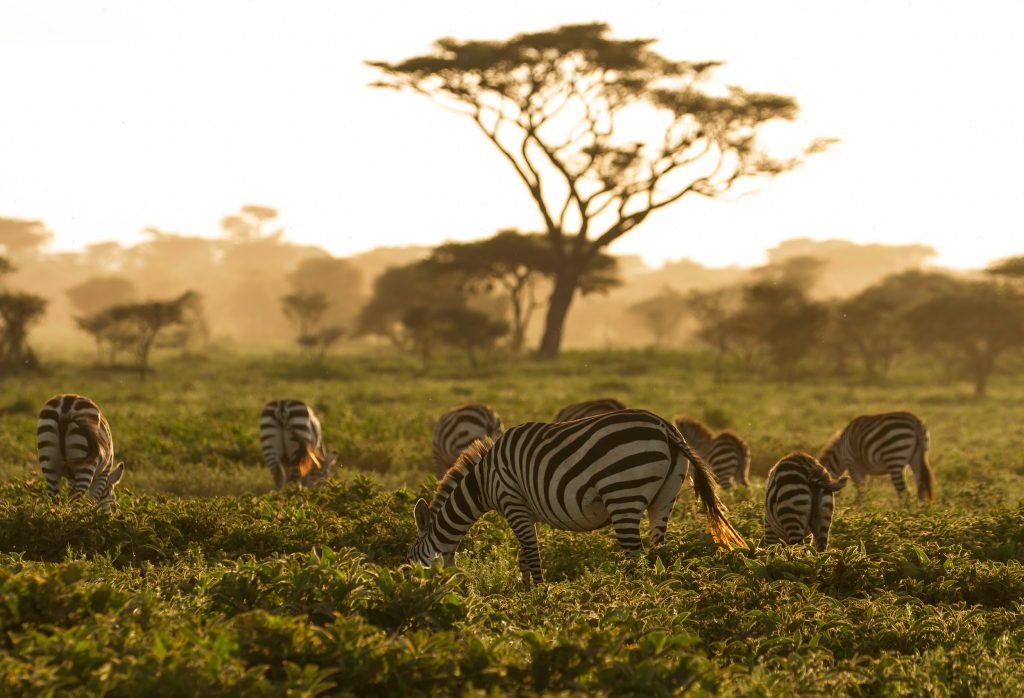
Dry Season: June to October
Pleasant temperatures, sunny skies, and little rain.
Best for wildlife viewing — animals gather around rivers and waterholes.
Short Rain Season: November to December
Brief showers, mainly in the afternoons — still good for safari.
Long Rain Season: March to May
Heavy rains; some lodges close due to muddy roads and reduced accessibility.
Fewer tourists and lower prices.
High Season (more tourists): June to October & December to February
Perfect weather and peak wildlife visibility.
Low Season (fewer tourists): March to May
Rainy season — ideal for budget travelers and photographers who love green landscapes.
January to February: In the Southern Serengeti (Ndutu area) —
Thousands of wildebeest give birth.
Excellent time to see predator action (cheetahs, lions, hyenas).
December to April: Southern Serengeti (Ndutu area) — calving season.
May to June: Central Serengeti — herds move north.
July to September: Northern Serengeti & Masai Mara — river crossings at the Grumeti and Mara Rivers.
October to November: Return southward to the Serengeti.
Passport + copies
Travel insurance documents
First-aid kit: antiseptic, painkillers, anti-diarrheal meds, band-aids, motion sickness tablets, mosquito repellent
Prescription medication (in original packaging)
Sun protection: sunscreen (SPF 30+), hat, sunglasses
Camera + extra batteries/memory cards
Binoculars
Reusable water bottle
Small backpack for daily game drives
Lightweight flashlight/headlamp
Universal power adapter
Neutral colors: khaki, beige, olive, brown (avoid bright colors and dark blue/black — attract insects).
Lightweight, breathable long sleeves and trousers for sun and insect protection.
Light jacket or fleece for cool mornings and evenings.
Comfortable closed shoes or hiking boots.
Hat with wide brim.
Swimsuit if your lodge has a pool.
Respect local culture: modest clothing (avoid short shorts or low tops).
Light, casual clothing for warm weather.
A light sweater or jacket for evenings.
Currency: Tanzanian Shilling (TZS).
You can withdraw cash using ATMs in major towns (Arusha, Moshi, Dar es Salaam).
Best banks: CRDB, NBC, NMB.
Use Visa cards — Mastercard may not always work.
Minimize fees:
Withdraw larger amounts at once (max ~400,000–1,000,000 TZS per transaction).
Use ATMs with low international charges (check with your bank).
USD is widely accepted for hotels and park fees — bring clean, post-2009 bills.
Lodges and camps provide full-board or half-board (breakfast, lunch, dinner).
Expect a mix of continental and local dishes:
Rice, beans, ugali (maize porridge), grilled meats, vegetables, tropical fruits.
Vegetarians and special diets are well accommodated (inform your operator in advance).
Bottled or filtered water is always recommended.
Lodges and camps provide full-board or half-board (breakfast, lunch, dinner).
Expect a mix of continental and local dishes:
Rice, beans, ugali (maize porridge), grilled meats, vegetables, tropical fruits.
Vegetarians and special diets are well accommodated (inform your operator in advance).
Bottled or filtered water is always recommended.
Most safari companies and lodges accept:
Bank transfer (SWIFT)
Credit/debit card (Visa/Mastercard; 3–5% surcharge)
Cash in USD (for tips or local payments)
Always confirm the payment method and currency before sending money.
Avoid sending money through unofficial links or unverified accounts.
© 2023 all right with tanzania with keny